
The Allure of Gambling
The world of gambling possesses a magnetic allure that entices players with the promise of excitement and the potential for instant wealth. Casinos expertly craft environments that heighten emotions, employing bright lights, captivating sounds, and vibrant atmospheres to create an exhilarating experience. This intoxicating setting not only draws players in but also creates a fertile ground for myths to take root, particularly when it comes to the appeal of online casino australia real money games that can seem incredibly enticing. In the thrill of the moment, many players start to believe that luck is a tangible force, leading them to embrace various misconceptions about game outcomes and strategies.
The community aspect of gambling further amplifies the spread of myths. Players often share personal stories and experiences, and as these narratives are passed from person to person, they can become embellished over time. The nature of gambling, with its unpredictability and high stakes, encourages individuals to seek explanations for their wins and losses. This tendency to find patterns or reasons behind random events only enhances the myth-making process, as players become increasingly convinced that they can decipher the mystery of luck.
Cognitive biases also play a significant role in reinforcing these myths. For example, players may experience a phenomenon known as the “gambler’s fallacy,” where they believe that past outcomes will influence future results, such as thinking that a slot machine is “due” for a payout after a long losing streak. This cognitive distortion can lead players to cling to the idea that their luck can be influenced, transforming random acts of chance into seemingly predictable outcomes. As players navigate this complex world, the myths become deeply ingrained, influencing their beliefs and behaviors regarding gambling.
The Role of Confirmation Bias
Confirmation bias is a cognitive phenomenon that significantly contributes to why players fall for casino myths. This bias leads individuals to favor information that supports their preexisting beliefs while dismissing evidence that contradicts those beliefs. In gambling, a player who believes in a particular strategy may only recall instances where it has worked, conveniently overlooking the many times it has failed. This selective memory serves to reinforce the myth, making it increasingly likely for players to hold onto it despite the lack of statistical validity.
Moreover, personal anecdotes shared among players can perpetuate these myths even further. When a player recounts a success story about a specific betting strategy, it often becomes a focal point of discussion among peers, even if the story lacks empirical support. These anecdotal testimonials, which can be incredibly persuasive, circulate within the gambling community and contribute to the entrenchment of myths. As players hear and retell these stories, the myths gain credibility, forming a shared belief system that can be difficult to challenge.
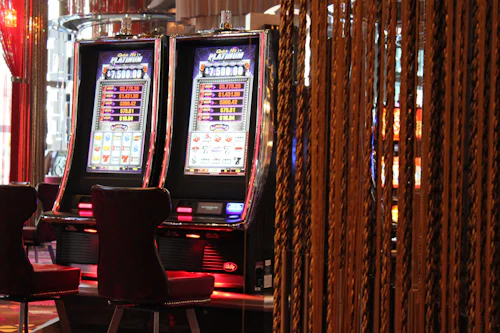
Additionally, the myths surrounding gambling often provide players with a false sense of control over an inherently random process. Many individuals find comfort in believing that their actions or strategies can influence the outcome of games. This belief feeds into the cycle of myth-making, where players reinforce their strategies based on personal experiences rather than statistical facts. The emotional and psychological foundations of confirmation bias make it challenging for players to recognize the fallacies embedded in these gambling myths, further complicating their relationship with the games they play.
The Impact of Social Media and Online Communities
In today’s interconnected digital landscape, social media and online gambling communities play a pivotal role in disseminating casino myths. Dedicated platforms for discussing strategies, experiences, and winning techniques often blur the lines between fact and fiction. The ease with which information can spread means that erroneous beliefs can circulate rapidly, leading to widespread acceptance of myths within the gambling community. The viral nature of social media can create a feedback loop, where misinformation is amplified, further entrenching myths about gambling.
Anonymity in online communities allows individuals to share speculative stories without fear of repercussions, fostering an environment where misinformation can thrive. For instance, a player might boast about a “secret” strategy that has supposedly led to significant wins, prompting others to adopt it without questioning its validity. Such posts can set off a chain reaction, as more players jump on the bandwagon, perpetuating myths surrounding gambling tactics. With no accountability in these forums, the barriers to misinformation are virtually nonexistent.
The influence of popular content creators and influencers cannot be underestimated in the current gaming landscape. Many individuals with substantial followings share their gambling experiences, sometimes endorsing myths without realizing the impact of their words. When these influencers present unfounded beliefs as credible, they inadvertently introduce new players to misleading strategies, which can ultimately harm their gaming experience. As myths circulate unchecked, they distort the perception of gambling and lead to poor decision-making among players, perpetuating a cycle of misinformation.
The Psychology of Loss and the Pursuit of Wins
The psychological dynamics surrounding wins and losses significantly influence the prevalence of casino myths. Players often experience loss aversion, a phenomenon where the emotional pain of losing outweighs the joy of winning. In this context, players may be drawn to myths that promise a better chance of winning or present strategies to mitigate losses. As they seek comfort in these narratives, unfounded beliefs can gain traction, allowing players to rationalize their experiences with gambling.

When faced with losses, players often search for explanations to make sense of their experiences. Many attribute their defeats to external factors or bad luck, rather than acknowledging the inherently random nature of gambling. This perspective fosters belief in myths that suggest certain rituals or behaviors can alter fate, such as wearing a ‘lucky’ shirt or playing at a ‘winning’ time. These beliefs provide players with a semblance of control, allowing them to navigate an unpredictable environment with a sense of agency.
Moreover, the thrill of chasing losses can create a cycle of behavior where players attempt to recover their losses by relying on the myths they believe in. This mindset can lead to reckless gambling practices, as players double down on strategies they think will yield returns based on misconceptions. Ultimately, the psychological factors tied to wins and losses contribute to the persistence of casino myths, making them an integral part of the overall gambling experience.
Understanding the Reality of Gambling through Education
To combat the myths that players often fall prey to, education is paramount. A solid understanding of the odds and mechanics of various games empowers players to make informed decisions grounded in facts rather than misconceptions. By increasing awareness of the house edge and the fundamental principles of probability, many prevalent myths can be dispelled. Knowledge acts as a powerful tool, helping players view gambling through a realistic lens instead of one clouded by myths and superstitions.
Furthermore, many casinos and gaming organizations are proactively working to promote responsible gambling by providing resources and information aimed at educating players. By fostering a better understanding of game mechanics, these entities contribute to dispelling myths that could lead to problematic gambling behaviors. As more players become informed, the narrative surrounding gambling can shift from one steeped in superstition to a more rational understanding of chance, risk, and responsible play.
Additionally, reputable online resources can assist players in navigating the misconceptions surrounding gambling. Websites dedicated to responsible gaming and education serve as valuable platforms, offering clarity and factual information. By directing players to trustworthy sources, they gain a more comprehensive understanding of the realities of gambling, its inherent risks, and the myths that may cloud their judgment. Equipped with this knowledge, players not only make informed choices but also become advocates for debunking myths within their communities, fostering a healthier gambling environment.