
The Role of Chance in Gambling
In the gambling universe, luck plays a pivotal role that often overshadows skill and strategy. Many games, particularly those found in casinos, fundamentally rely on chance, making luck an inevitable factor. This reliance on luck can be seen in games of chance such as slots, roulette, and dice games, where outcomes are largely unpredictable. While players may use strategies to enhance their chances, the element of luck remains the defining aspect of gameplay, often determining the fate of each bet. For those looking for exciting options, the very essence of these games is built on the unpredictability that luck introduces, making every spin or roll a suspenseful moment, and exploring 1win could add to that experience.
Moreover, the psychology of gambling suggests that players often attribute their wins to luck while blaming losses on unfavorable circumstances or bad calls. This acknowledgment of luck’s power can shape a player’s experience, instilling a sense of hope and excitement that draws people back to gambling venues. It’s this uncertainty and the thrill of potentially hitting a lucky streak that keep players engaged, even when they do not win consistently. The concept of luck fuels the imagination, creating a sense of adventure and possibility that is central to the allure of gambling.
Additionally, the perception of luck can greatly influence gambling behaviors and decision-making. Players may feel inclined to chase their losses or stick to games when fortune seems to be on their side. This reassurance can lead to a ‘gambler’s fallacy,’ where individuals believe that previous outcomes influence future events. Such beliefs underscore how luck can impact not only the games themselves but also the mindset of the players involved. The interplay between luck and player psychology is a compelling aspect of gambling that keeps the industry thriving.
The Psychology Behind Luck in Gambling
The psychological aspects of luck in gambling are profound, as they intertwine with human emotions and behavioral patterns. Many players enter a casino or log onto an online gaming platform with a desire for excitement and the hope that luck will turn in their favor. The thrill of uncertainty is a significant motivator in this environment, as the anticipation leading up to a spin or a roll can evoke strong emotional responses. These feelings can lead players to engage more deeply, either out of sheer joy during winning moments or the adrenaline rush experienced during close calls. This emotional rollercoaster is a critical component of the gambling experience.
Furthermore, the concept of luck can create a narrative that enhances the overall gambling experience. Players often recount stories of big wins or near-misses, embellishing their tales with elements of serendipity. These personal anecdotes contribute to the allure of gambling, as players wish to replicate these stories and enter their own moments of fortune. This narrative builds a community of shared experiences, reinforcing the belief in luck’s significance among players. The storytelling aspect of luck in gambling fosters connections and shared excitement, enriching the experience for all involved.
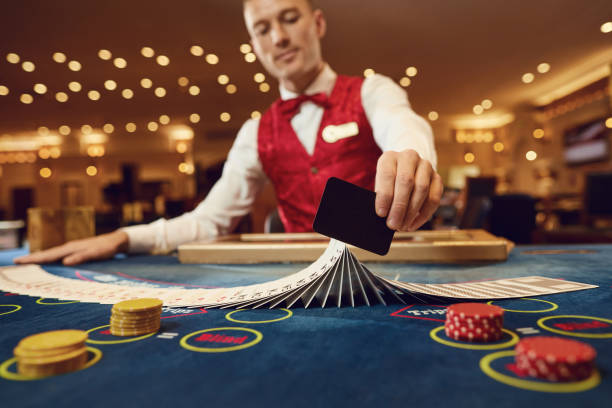
Another significant psychological component is the belief in lucky symbols, rituals, or strategies that players adopt. Many individuals will have a particular set of ‘lucky’ numbers, wear specific clothing, or perform certain actions before gambling. These behaviors can provide players with a false sense of control, offering comfort in the face of chance. Ultimately, these beliefs can create a feedback loop where the perception of luck influences behaviors, which in turn affects gambling outcomes. The rituals surrounding luck add a layer of complexity to the gambling experience, highlighting how deeply ingrained these beliefs can be.
Luck versus Skill: Finding the Balance
The ongoing debate of luck versus skill in gambling is fascinating, as it varies widely across different games and contexts. In games like poker, skill plays a significant role as players must apply strategies and read their opponents. However, even in poker, luck can still influence the randomness of card distribution, making it impossible to completely eliminate chance. Therefore, successful players often learn to adapt their strategies to account for unpredictable elements while acknowledging that luck is an ever-present adversary. This adaptability is a hallmark of skilled players who understand the importance of both elements.
On the other hand, in games that are purely chance-based, such as slot machines or bingo, skill is virtually irrelevant. In these cases, players are left to the whims of luck, with little they can do to influence the outcome. The randomness of these games emphasizes the importance of luck, often leading to fierce competition among players hoping to strike it lucky. This dynamic further complicates the gambling landscape, highlighting how different games invite varying levels of skill and luck. Understanding this relationship can empower players to choose games that align with their preferences and strategies.
Finding a balance between skill and luck is essential for any gambler looking to enjoy their experience fully. Many seasoned gamblers will incorporate tactics to manage their bankroll and limit losses while also engaging with games that provide fair odds. This approach reflects an understanding that while luck plays a crucial role, informed decision-making can significantly enhance the overall gambling experience. Merging both elements can empower players to make the most of their time at a casino or on an online platform, fostering a more rewarding gambling journey.
The Impact of Luck on Gambling Addiction
The role of luck in gambling can have a substantial impact on the development and perpetuation of gambling addiction. Many individuals who struggle with gambling dependency may find themselves heavily invested in the notion that luck is a primary determinant of their success. This reliance on luck may lead them to rationalize their losses, convincing themselves that a lucky win is just around the corner. Such beliefs can trap individuals in a cycle of chasing losses, exacerbating their addiction and further entrenching their emotional investment in the outcomes of gambling. Understanding these dynamics is crucial for recognizing the signs of problematic gambling behavior.

Moreover, the immediate gratification associated with luck can create a powerful reinforcement loop for those vulnerable to addiction. The experience of sudden wins, even if they are infrequent, can evoke strong feelings of euphoria. This temporary high is similar to what is experienced in substance addiction, where the anticipation of a high motivates continued engagement, despite negative consequences. Players may prioritize the thrill of gambling over their financial well-being or relationships, pushing them further towards detrimental behaviors. This cycle of addiction highlights the need for effective support and intervention strategies for those affected.
Addressing the impact of luck on gambling addiction requires awareness and understanding. Support systems and intervention strategies should consider how beliefs about luck influence gambling behaviors. Educating individuals about the role of chance versus skill, as well as promoting responsible gambling practices, can help mitigate the risks associated with gambling addiction. It is crucial to cultivate an environment where players can enjoy gambling for entertainment while recognizing the inherent risks involved. Awareness and education can empower players to make healthier choices in their gambling habits.
Explore the World of Gambling
As you delve into the fascinating world of gambling, it’s essential to approach the experience with an informed, balanced perspective. Understanding the dynamics of luck and skill can enrich your overall enjoyment and help you make wiser choices as you engage in various games. Whether you’re a casual player or a seasoned gambler, appreciating the role of luck can enhance your gameplay and awareness of the nuances involved in each bet. By recognizing the inherent uncertainties, players can enjoy gambling without falling into the trap of unrealistic expectations.
Visitors exploring various gambling platforms should prioritize responsible gaming habits and seek out educational resources. Many websites offer insights into the complexities of gambling, including tips on managing bankrolls and recognizing patterns of behavior that can lead to addiction. By equipping yourself with knowledge, you can maximize your gaming experience while mitigating risks associated with gambling. This proactive approach fosters a healthier relationship with gambling, ensuring that the experience remains enjoyable and entertaining.
Ultimately, the world of gambling is multifaceted, where luck and skill intertwine to create an exhilarating environment. So, whether you step into a physical casino or log onto an online platform, keep in mind that while luck may influence the game, your choices and strategies play a significant role in shaping your overall experience. Engage responsibly, and may the odds be ever in your favor! By cultivating an understanding of luck’s role, players can appreciate the thrill of the game while making informed decisions that enhance their enjoyment and safety.